🏛️ G RAM G (Gram Rural Assurance for Minimum Growth)
India’s Rural Employment Information Platform
India’s rural economy depends heavily on sustainable employment, income security, and infrastructure development. To address unemployment and provide financial stability to rural households, the Government of India has been implementing large-scale rural employment programs for many years.
G RAM G (Gram Rural Assurance for Minimum Growth) represents an evolved and modernized framework inspired by the objectives of earlier rural employment initiatives such as MNREGA / MGNREGS, focusing on transparency, digital access, and inclusive growth.
The GramG.online platform is designed to provide clear, structured, and easy-to-understand information about rural employment schemes, job cards, wage payments, eligibility, and beneficiary rights — all in one place.
🌱 What is G-RAM-G?
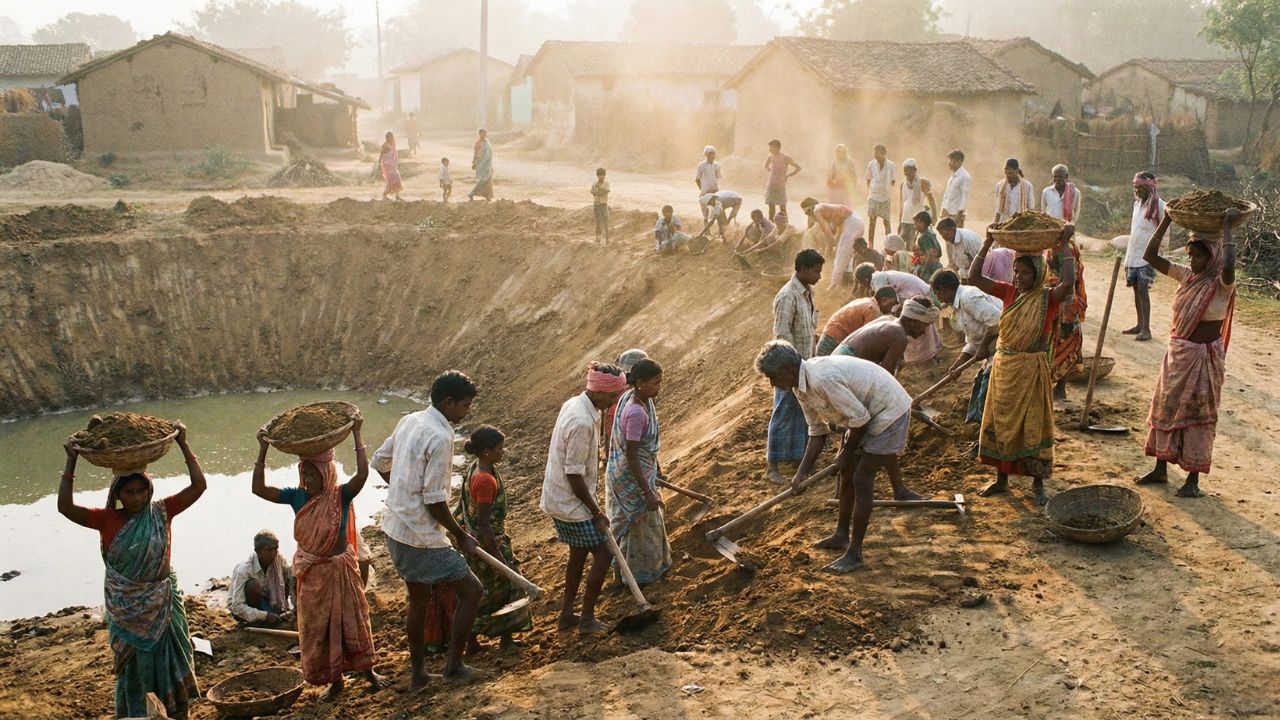
G-RAM-G (Gram Rural Assurance for Minimum Growth) is a rural employment assurance framework aimed at supporting economically weaker households living in rural India by enabling access to wage employment and village-level development activities.
The core objectives of G-RAM-G include:
- Reducing rural unemployment
- Providing minimum income security
- Strengthening village infrastructure
- Preventing seasonal migration
- Ensuring inclusive participation of women and vulnerable groups
This initiative follows the principles of earlier employment guarantee programs while integrating digital governance, transparency, and accountability.
🇮🇳 Vision and Objectives of G-RAM-G
The long-term vision of G-RAM-G is to create self-reliant rural communities by ensuring access to employment and sustainable livelihoods.
Key Objectives:
✔ Guarantee minimum wage employment to rural households
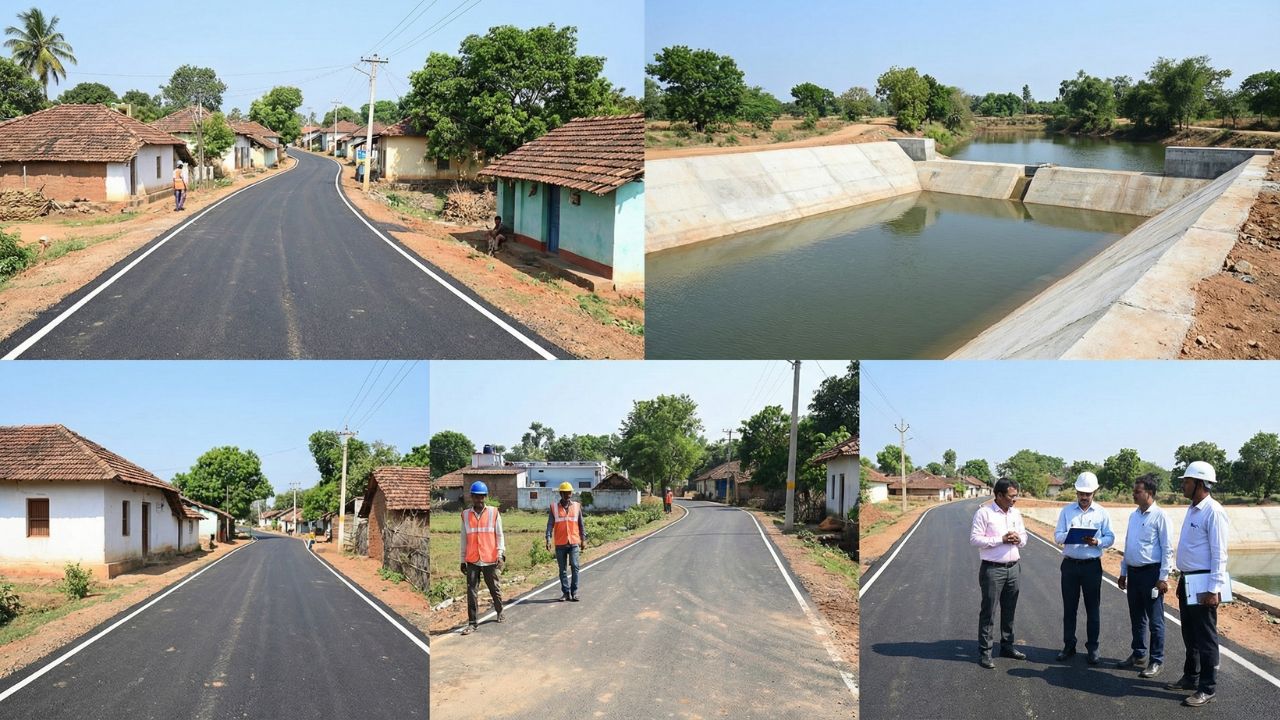
✔ Improve rural infrastructure such as roads, water bodies, and land assets
✔ Promote women’s participation in the workforce
✔ Enable direct wage payments through banking systems
✔ Reduce poverty and economic inequality
✔ Strengthen transparency using digital tools
👩🌾 Who Benefits from G-RAM-G?
G-RAM-G is designed to support a wide range of rural citizens, including:
- Rural households dependent on daily wages
- Agricultural laborers
- Unemployed rural youth
- Women seeking local employment
- Scheduled Castes (SC) and Scheduled Tribes (ST)
- Persons with disabilities (where suitable work is available)
Special emphasis is placed on inclusive participation, ensuring that vulnerable groups receive equal opportunities.
📝 Eligibility Criteria for G-RAM-G
To access employment opportunities under the G-RAM-G framework, individuals must generally meet the following criteria:
- Must be an Indian citizen
- Must reside in a rural area
- Must be 18 years of age or above
- Household should be registered with a Job Card
- Applicant should be willing and physically able to perform unskilled work
Eligibility and implementation guidelines may vary slightly depending on state-level administrative processes.
🆔 What is a Job Card?
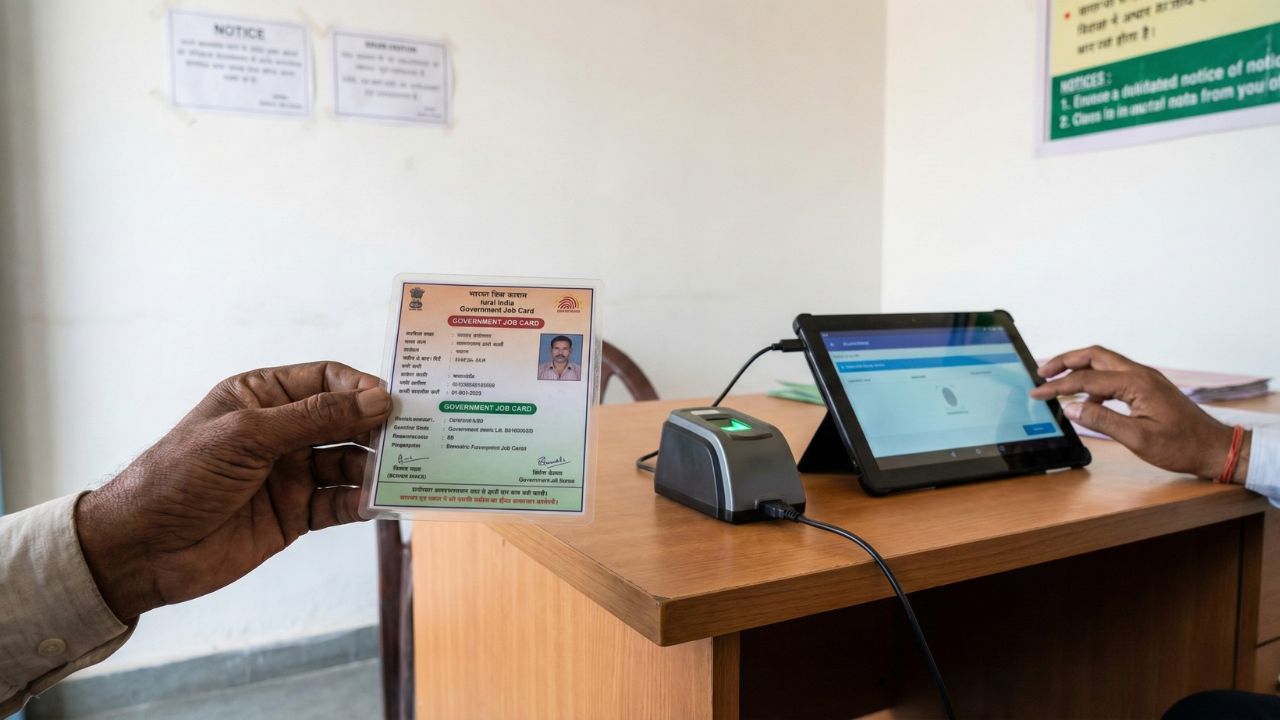
A G-RAM-G Job Card is an official household identification document that enables participation in rural employment programs.
Job Card Includes:
- Names of registered household members
- Employment history
- Number of days worked
- Wage payment details
The Job Card ensures accountability, transparency, and worker rights, helping beneficiaries track their employment and wages.
💼 Types of Work Available Under G-RAM-G
Employment under G-RAM-G focuses on community asset creation and rural development. Common types of work include:
🌾 Land development and soil conservation
🚰 Water harvesting, ponds, and irrigation channels
🛣️ Rural road construction and maintenance
🌳 Tree plantation and afforestation
🏗️ Repair of public buildings
🐄 Construction of cattle sheds and agricultural infrastructure
All work is designed to benefit the village ecosystem while providing income support to workers.
💰 Wages and Payment System
Workers engaged through G-RAM-G are entitled to state-notified daily wages.
Wage Payment Features:
- Wages determined by respective state governments
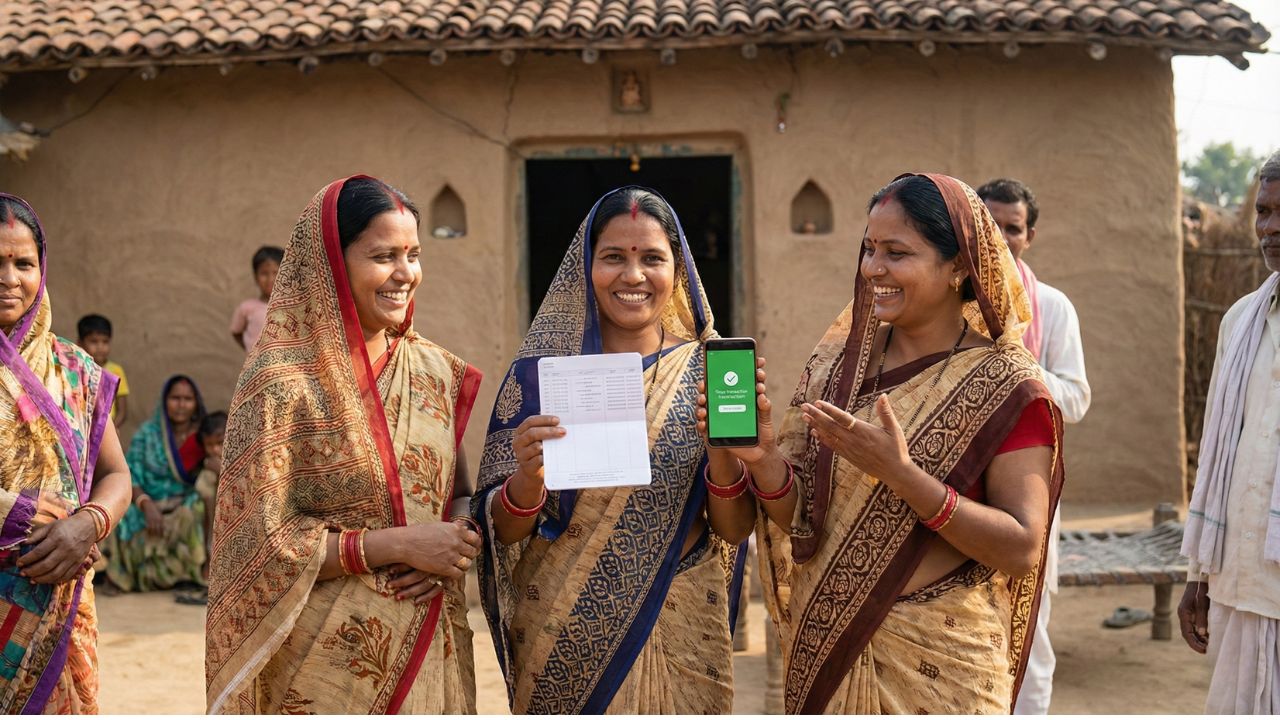
- Payments made through Direct Benefit Transfer (DBT)
- Money credited directly to bank or post office accounts
- Targeted payment timeline of within 15 days
This system minimizes delays and reduces the risk of wage-related disputes.
📲 Digital Services and Transparency
G-RAM-G emphasizes the use of digital governance tools to ensure transparency and efficiency.
Through online platforms, beneficiaries can access:
✔ Job Card status
✔ Work demand records
✔ Attendance details
✔ Wage payment status
✔ Panchayat-level reports
The GramG.online website acts as an information bridge, helping rural citizens understand how to access these services.
🏡 Role of Gram Panchayats
Gram Panchayats play a central role in the implementation of rural employment programs.
Their responsibilities include:
- Identifying development works
- Registering households
- Allocating employment
- Recording attendance
- Addressing grievances
- Conducting social audits
Community participation ensures accountability at the grassroots level.
⚖️ Worker Rights and Transparency Measures
Every registered worker under rural employment frameworks has certain rights, including:
- Employment within 15 days of demand
- Unemployment allowance if work is not provided
- Timely wage payments
- Compensation for delayed wages
- Access to worksite facilities
- Transparency through public records
Social audits and community monitoring strengthen trust and reduce misuse.
❓ Frequently Asked Questions (FAQs)
Is G RAM G an official government scheme?
G-RAM-G represents an informational and conceptual framework based on existing rural employment programs implemented by the Government of India.
How many days of work are provided per year?
Eligible households may receive up to 100 days of wage employment per year, subject to guidelines.
Are women eligible?
Yes. Women are encouraged to participate, and minimum participation targets are followed.
What if a household does not have a Job Card?
A Job Card can be applied for through the local Gram Panchayat following prescribed procedures.
🔔 Purpose of GramG.online
The GramG.online website is created with the objective of:
- Providing simplified information on rural employment programs
- Spreading awareness about worker rights and benefits
- Helping users understand application and tracking processes
- Reducing misinformation related to government schemes
This platform does not replace official government portals, but serves as an educational and informational resource.
📌 Important Disclaimer
Disclaimer:
GramG.online is an independent informational website. It is not an official Government of India website. The information provided here is for educational and awareness purposes only. For official updates, notifications, and applications, users should visit authorized government portals.